
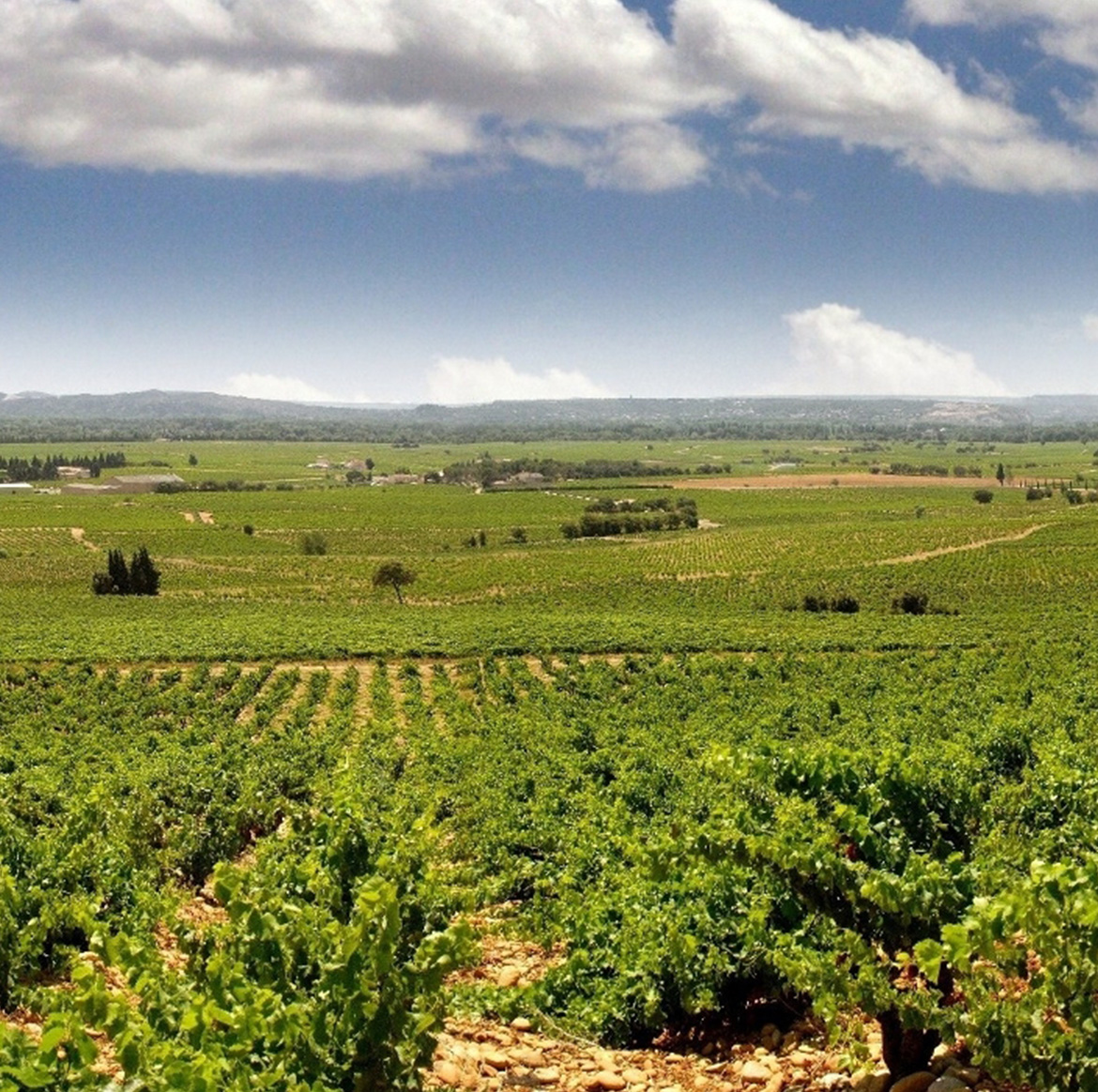
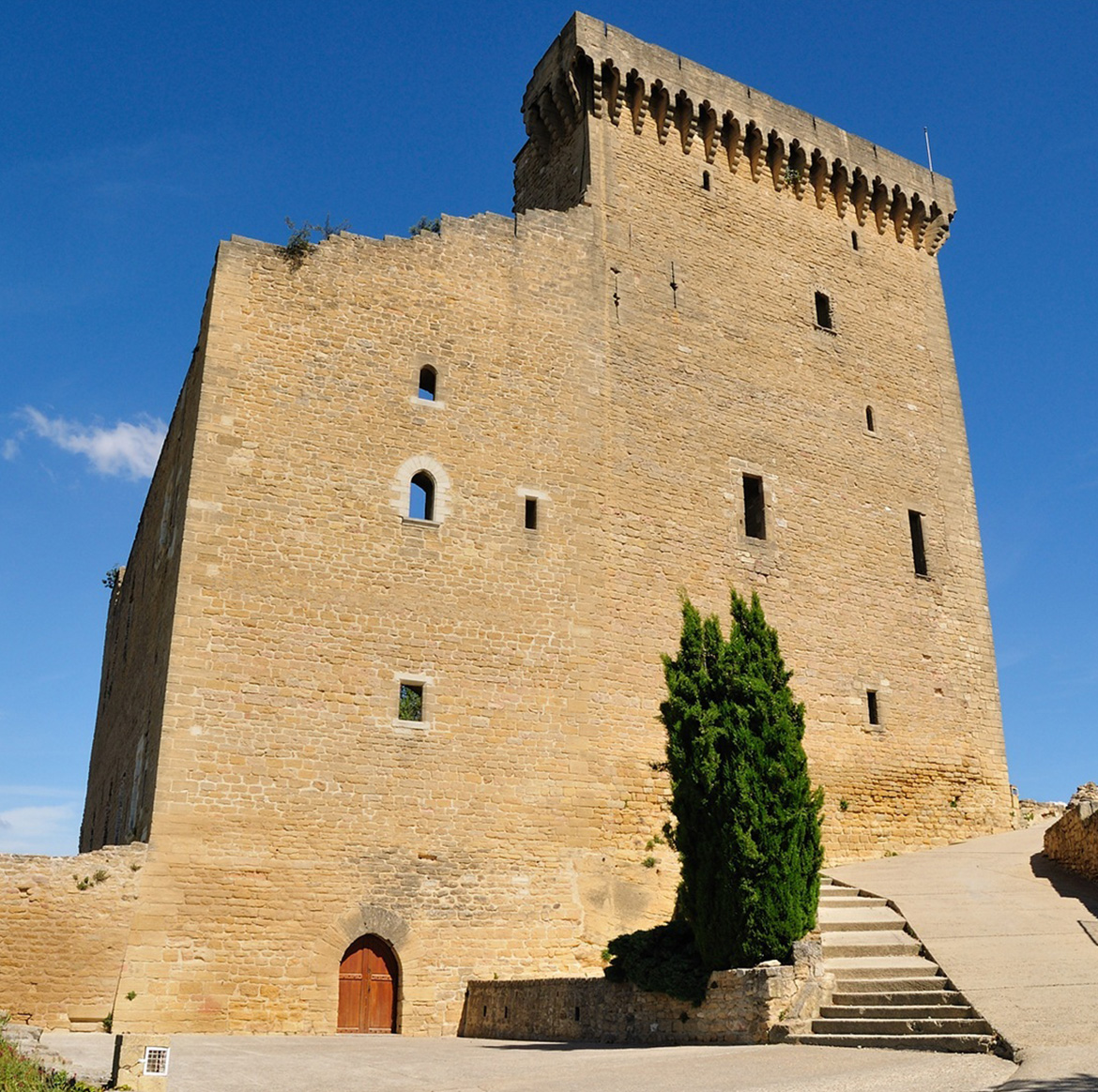
Terroir
Vinification
Châteauneuf-du-Pape Red
Grenache noir
Mourvèdre
Syrah
Cinsault
Counoise
Muscardin
Vaccaresis
Black terret
Harvesting is carried out entirely by hand, with a rigorous selection of grapes directly in the vineyard. The grapes are picked at an advanced technological maturity, ensuring optimal concentration and fully developed aromatic potential.
After harvest, the grapes are crushed to release the pulp and juice. A complete destemming is performed, and the must is immediately transferred to concrete tanks to begin fermentation.
Alcoholic fermentation lasts on average 15 to 31 days and is accompanied by daily pump-overs and rack-and-returns, promoting a controlled extraction of phenolic compounds. Temperature and density are closely monitored throughout the process to ensure optimal fermentation.
Once fermentation is complete, the wine is racked (écoulage) and pressed to separate free-run wine from press wine, retaining only the highest quality juice.
The wine is then aged for 18 months in oak barrels, large oak vats (foudres), concrete tanks, and stainless-steel tanks. This diversity of vessels allows controlled micro-oxygenation and precise maturation, contributing to the wine’s complexity, balance, and final structure.
Châteauneuf-du-Pape White
Grenache blanc
Clairette
Roussanne
Bourboulenc
Picpoul
Picardan
We harvest exclusively by hand and select only white grape varieties.
The grapes are gently crushed directly in the bin. Unlike red wines, pressing is immediate, as the must does not ferment in contact with the stems or the skins.
Fermentation takes place slowly. The temperature of the must is carefully controlled using a cooling system and maintained between 15 °C and 17 °C in order to preserve the finesse and purity of the aromas.
Settling (débourbage) consists in removing impurities from the must: only the clear juice is racked off, ensuring great aromatic precision.
As with red wines, alcoholic fermentation then transforms the must into wine. Throughout this process, density and temperature are closely monitored to guarantee optimal fermentation conditions.
Fermentation takes place partly in stainless steel tanks and partly in French oak barrels. Aging is accompanied by regular stirring of the fine lees (bâtonnage), adding complexity, roundness, and aromatic richness to the wine.
Grapes varities
red
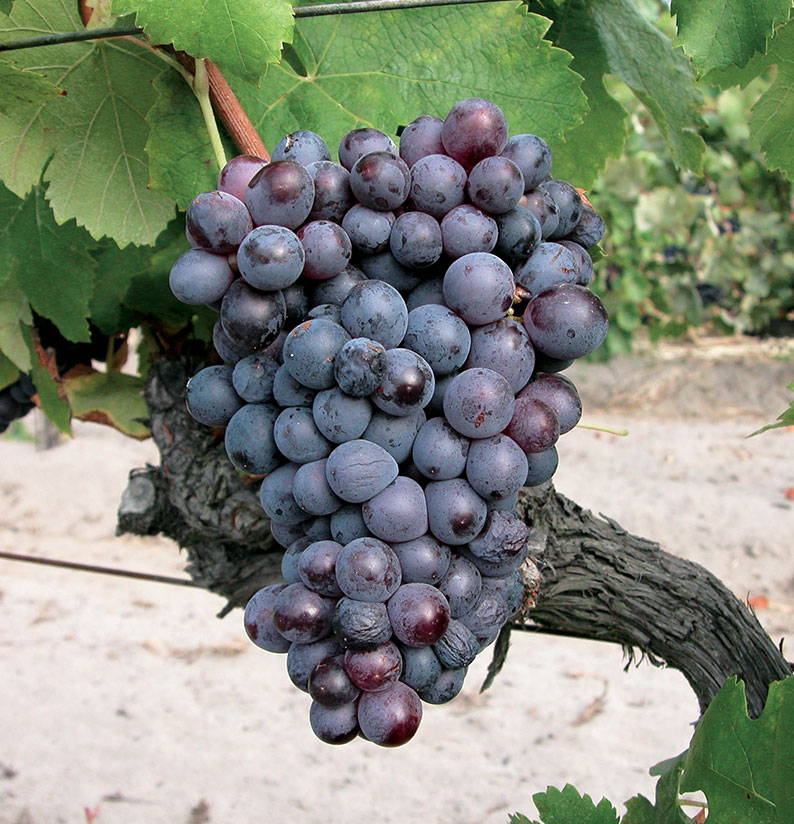
The Black Terret : Freshness and bouquet.
Terret Noir is a rare grape variety, bringing freshness and originality to Châteauneuf-du-Pape blends.
Wines made from this grape are light both in color and on the nose, with a delicate floral bouquet. On the palate, they reveal a rustic structure, balanced by natural freshness and subtle aromas of plum and redcurrant.
Its liveliness and fine aromatic profile add elegance and lightness to the blend, complementing more powerful varieties, while producing complex and approachable wines from an early age.
red
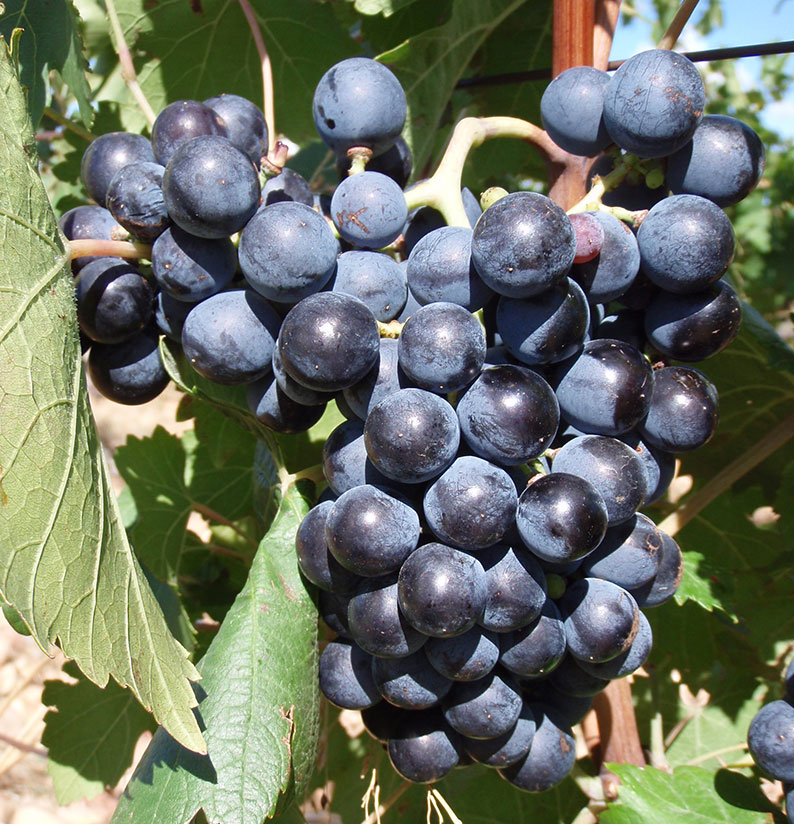
The Vaccarese : Flower and elegance.
Vaccarèse is a rare and refined grape variety, valued for its aromatic originality and its contribution to Châteauneuf-du-Pape blends.
It brings a unique floral bouquet to the wine, reminiscent of wildflowers and delicate petals, along with remarkable natural freshness. Its presence adds elegance and lightness to red wines, complementing more powerful varieties such as Grenache or Mourvèdre.
Thanks to its subtle yet distinctive qualities, Vaccarèse enriches the aromatic palette, providing finesse, freshness, and complexity to age-worthy wines.

red
The Muscardin : Floral bouquet.
Muscardin is a rare and precious grape variety, particularly valued in Châteauneuf-du-Pape blends for its finesse and unique aromatic profile.
It brings to the wine a delicate floral bouquet, reminiscent of violet and white flowers, along with remarkable freshness that balances the power of the other red grape varieties.
Thanks to its distinctive aromatic qualities, Muscardin enriches the blend and helps create wines that are complex, elegant, and persistent, with a depth that fully reveals itself after a few years of aging. Its subtle yet significant presence allows for wines that are highly aromatic while maintaining finesse and lightness.
red
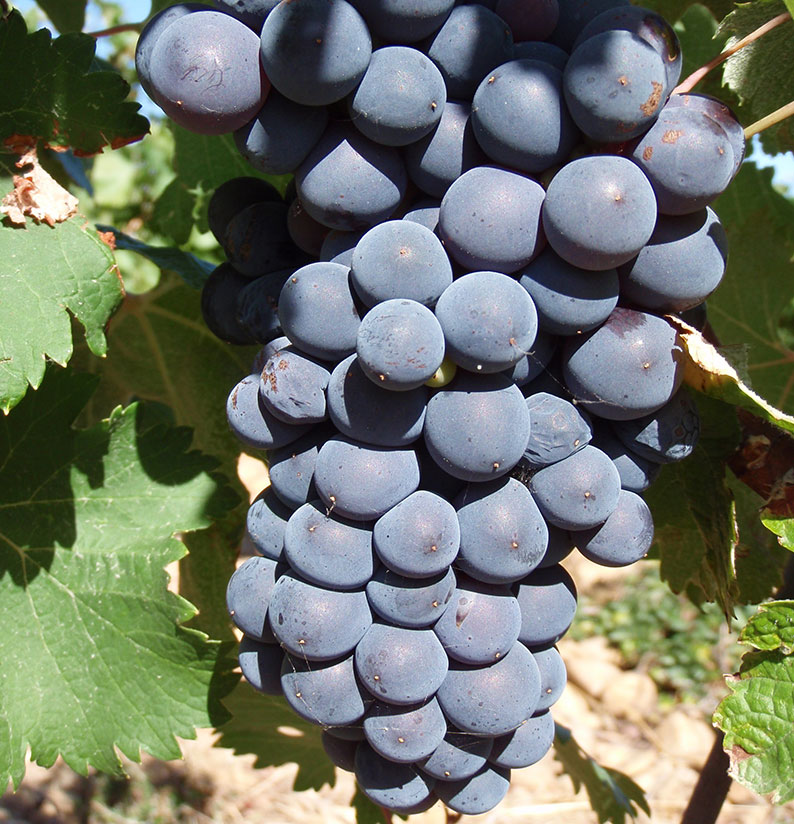
The Counoise : The spicy originality.
Counoise is a key grape variety in certain Châteauneuf-du-Pape blends, valued for its finesse and its ability to bring freshness and originality to red wines.
On our terroir, ideal for its expression, Counoise develops subtle and elegant spicy aromas: walnut, nutmeg, green pepper, along with fruity notes of blackcurrant.
This grape provides lightness and aromatic tension, balancing the more powerful profiles of Grenache and Mourvèdre, while adding complexity and freshness. Its contribution is particularly appreciated in age-worthy blends, where its delicate aromatic palette and natural elegance gradually unfold.
red
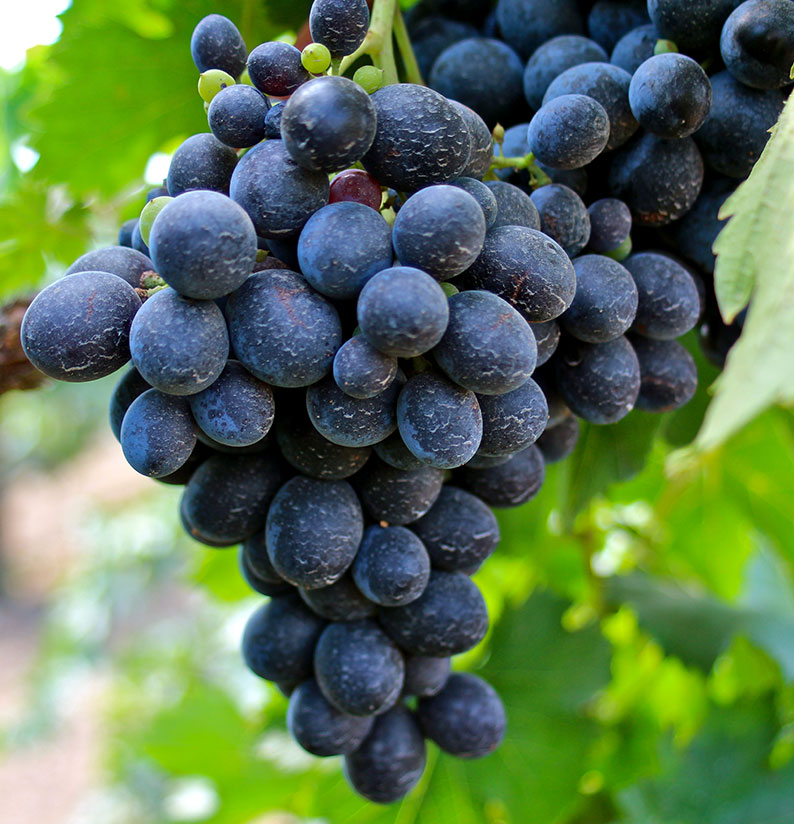
The Cinsault : Aroma and balance.
Cinsault is a grape distinguished by its finesse and delicate aromatic profile. It brings a subtle originality to wines, combining notes of dried fruits and delicate flowers: hazelnut, almond, and rose, giving the wine an elegant and refined signature. These light yet persistent aromas add an extra dimension to red wines, enhancing their charm and complexity.
Beyond its aromatic qualities, Cinsault plays a key role in the balance of blends. It softens and harmonizes more powerful cuvées, tempering the strength of tannic varieties while adding roundness and suppleness. In age-worthy red wines, this contribution is particularly valuable: Cinsault enriches the overall structure, creates a subtle contrast between power and finesse, and supports harmonious aging.
Whether highlighted in a blend or used sparingly, Cinsault contributes to the complexity, elegance, and longevity of red wines, reflecting both the winemaker’s skill and the richness of the terroir.
red
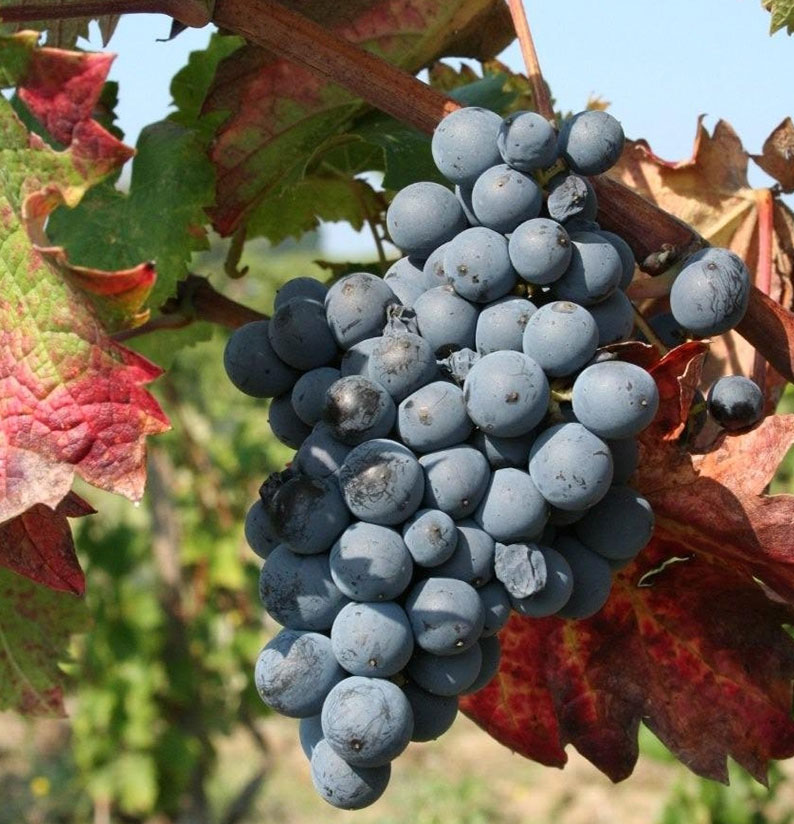
The Mourvedre : Structure and Longevity
Red wines made from Mourvèdre, an emblematic grape of Châteauneuf-du-Pape, reveal from a young age a rich and expressive bouquet: black olives, wild blackberry, blackcurrant, and strawberry. These aromas reflect both power and finesse, announcing generous and well-structured wines.
Over time, Mourvèdre unveils its full complexity. Fruity notes evolve into deeper, wilder aromas: black fruits, leather, undergrowth, and soft spices, bringing elegance and depth. This ability to evolve makes it a key grape for our cuvées, where balance, power, and longevity are essential.
Late-ripening by nature, Mourvèdre benefits from a long maturation that concentrates flavors and tannins while building a solid structure. Its natural resistance to oxidation allows it to withstand the hot regional summers and age gracefully for many years, retaining freshness and harmony.
Blended with Grenache and Syrah, Mourvèdre adds depth, complexity, and aging potential, contributing to the worldwide reputation of Châteauneuf-du-Pape red wines.
red
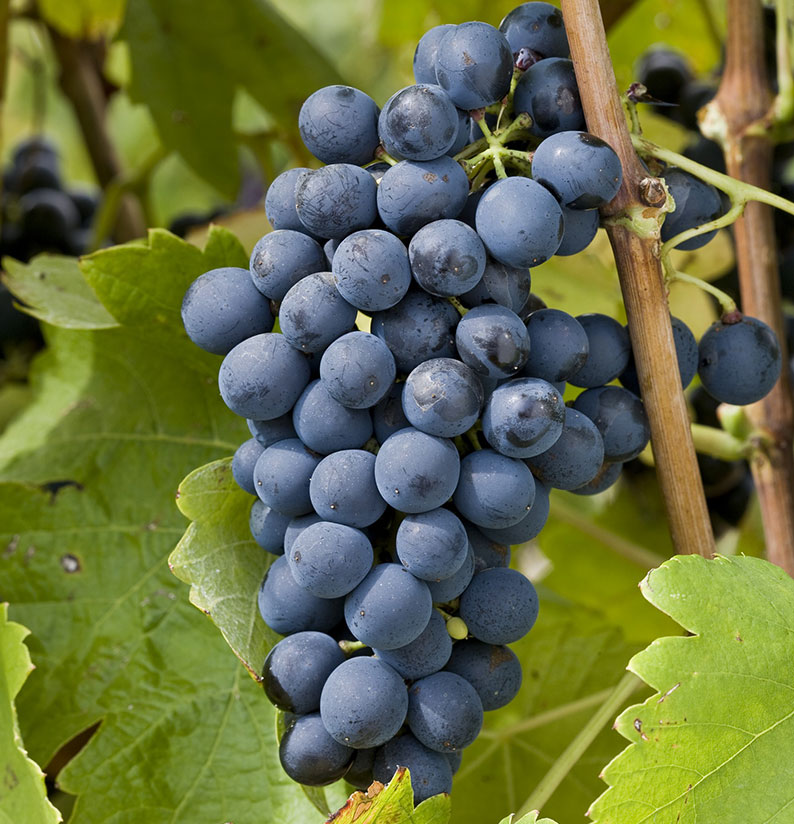
The Syrah : Color and aroma.
Syrah is a key grape variety in Châteauneuf-du-Pape blends, renowned for adding color, structure, and aromatic complexity.
Its aromatic profile is characterized by notes of small red and black fruits: blackcurrant, raspberry, and blueberry, complemented by elegant secondary nuances such as violet, leather, and truffle. This combination gives the wines remarkable olfactory richness and complexity.
On the palate, Syrah provides fine yet firm tannins and a vibrant color intensity that supports the entire blend. It contributes to the structure and depth of the wines, allowing for optimal aging while maintaining elegance and balance. Its aromatic power and ability to refine the wine’s texture make it an indispensable variety for producing wines that are rich, expressive, and harmonious.
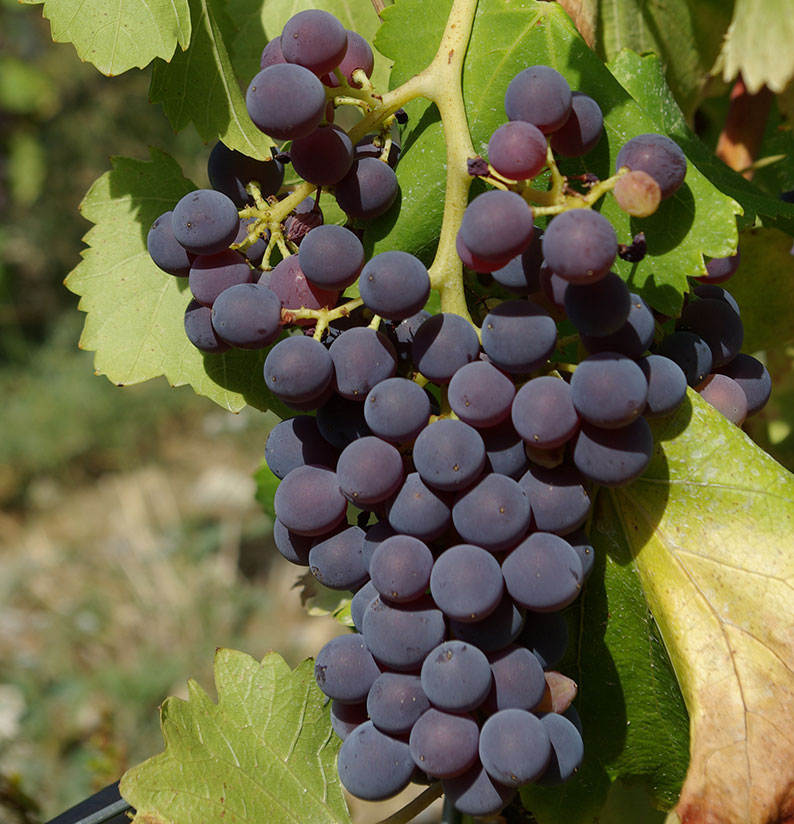
red
The Black Grenache : King of Châteauneuf du Pape.
Grenache Noir is the emblematic grape of Châteauneuf-du-Pape, renowned for its aromatic power and its ability to structure blends.
It offers an intense and high-quality aromatic potential, revealing aromas of ripe fruits: blackcurrant, cherry, strawberry, prune, kirsch, and a hint of licorice. These fruity notes give the wines richness and complexity that fully develop over time.
On the palate, Grenache Noir provides a smooth and velvety texture, often persistent, giving the wines remarkable density and harmony. Its capacity to develop deep and refined aromas makes it a cornerstone of blends, ensuring balance, elegance, and aging potential in Châteauneuf-du-Pape wines.
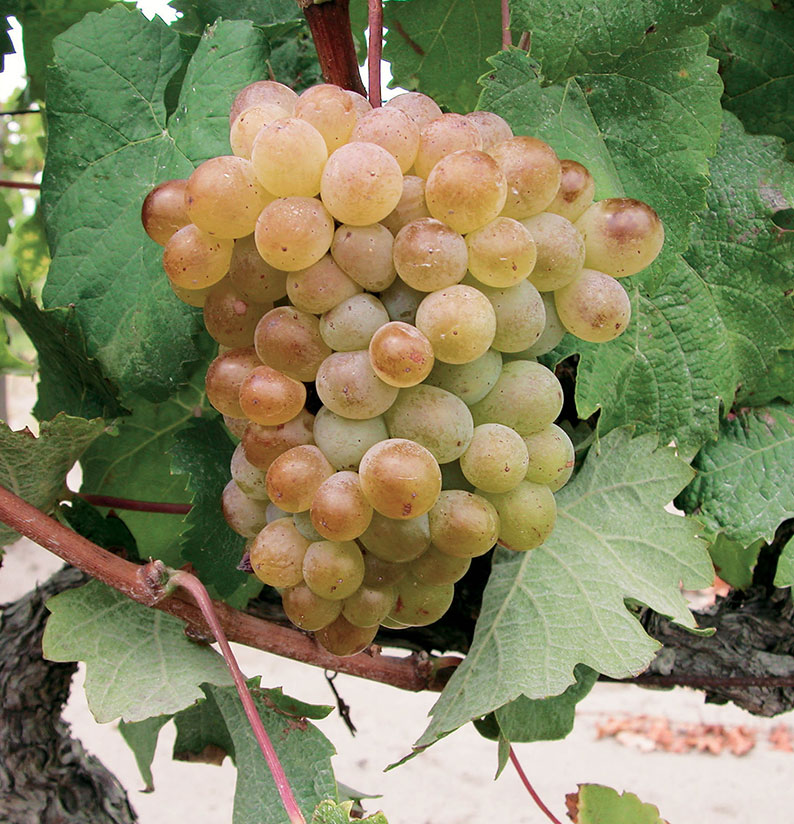
white
The Picardan : Finesse and Softness.
Picardan is a white grape known for its finesse, softness, and elegance. It produces particularly pleasant wines, characterized by a supple and delicate texture, with a subtle musky note that adds charm and refinement to every sip.
Its aromatic profile is subtle and refined, blending light floral and fruity notes that give the wine a sense of freshness and delicacy. This natural softness makes Picardan ideal for bringing balance and roundness to white blends, harmonizing perfectly with more aromatic or structured varieties.
On the palate, Picardan enchants with its tender elegance and velvety texture, offering wines that are approachable, harmonious, and enjoyable, perfect for early drinking but also capable of contributing to more complex and refined cuvées.
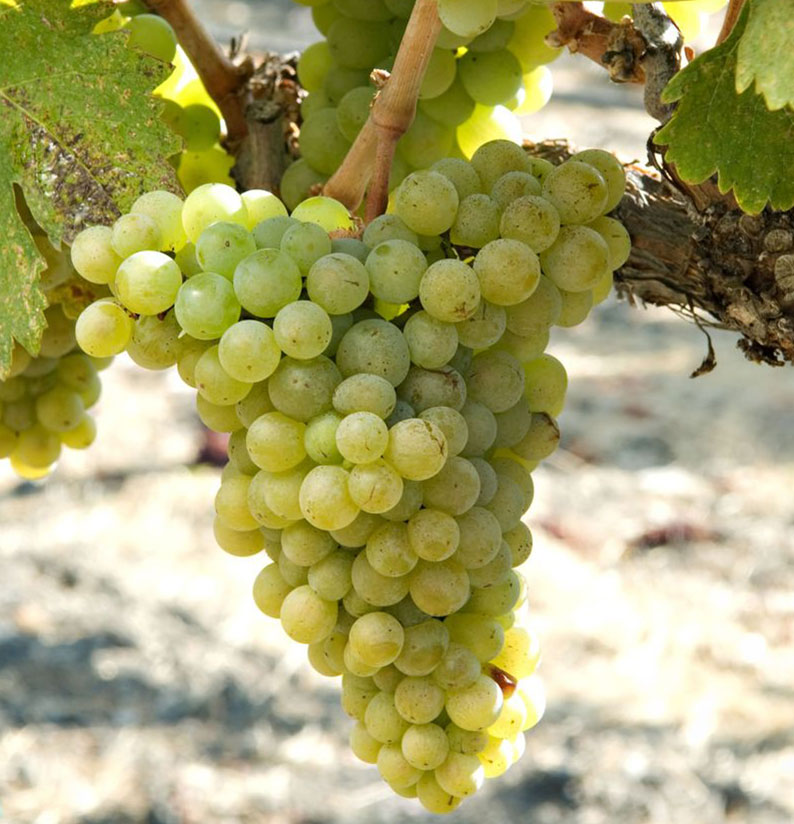
white
The Picpoul : Richness and Originality.
Picpoul is a white grape known for the richness and originality of its bouquet. It expresses very delicate floral and fruity aromas, sometimes accompanied by a subtle iodine note, reflecting its terroir and adding a unique touch to the wine.
Delicate scents of white peach, pineapple, along with an elegant floral bouquet, give the wine finesse and refinement.
On the palate, Picpoul produces elegant, supple, and low-tannin wines, where lightness and finesse combine with pleasant aromatic complexity. This grape is ideal for creating balanced and approachable white wines, while bringing originality and typicity to blends.
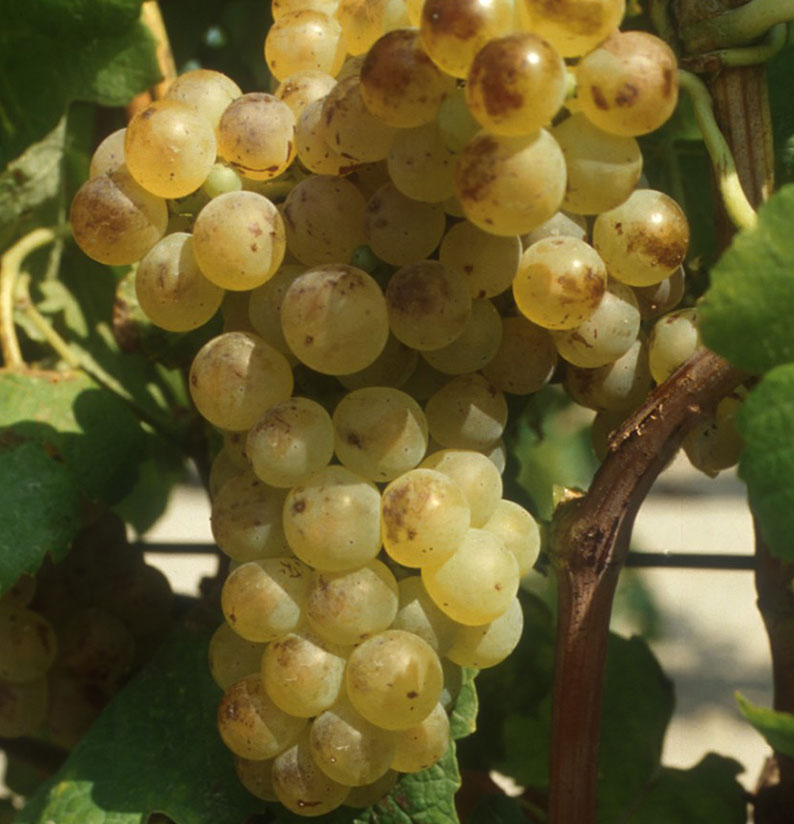
white
The Roussanne : The Great Aromas.
Roussanne is a white grape that, even in small proportions, brings elegance, aromatic richness, and structure to blends. It gives wines a delicate roundness and weight, offering both complexity and balance.
Its bouquet is particularly expressive and refined, combining floral, fruity, and spicy notes: honeysuckle, narcissus, violet, acacia, and white flowers, along with gourmand hints of apricot, apple, honey, green coffee, and spices. This rich and nuanced aromatic palette makes Roussanne a grape of choice for producing refined, powerful, and long-lasting white wines, capable of seducing from their youth while improving with age.
In blends, Roussanne perfectly complements other white varieties, adding depth, roundness, and an aromatic boost, while highlighting the finesse and typicity of the terroir.
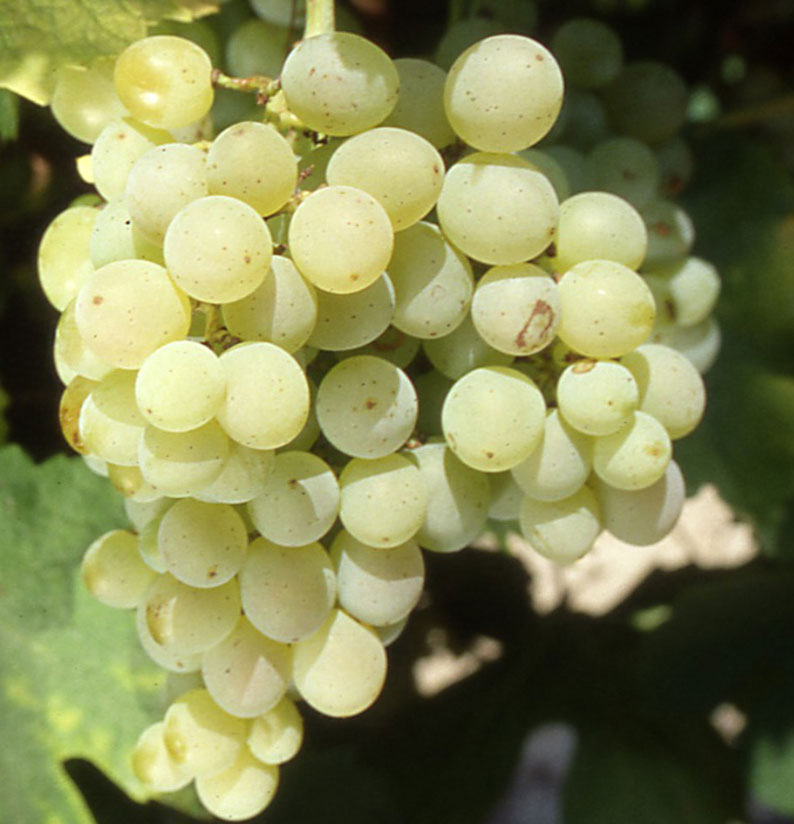
white
The Bourboulenc : Acidity.
Bourboulenc, an ancient grape from the South, brings liveliness and freshness to white blends. Its delicate, lightly floral aromas, sometimes with hints of citrus or white fruits, add finesse and elegance.
In blends, it balances richer varieties and produces harmonious, fresh, and enjoyable wines, with a touch of acidity that is rare in warm regions.
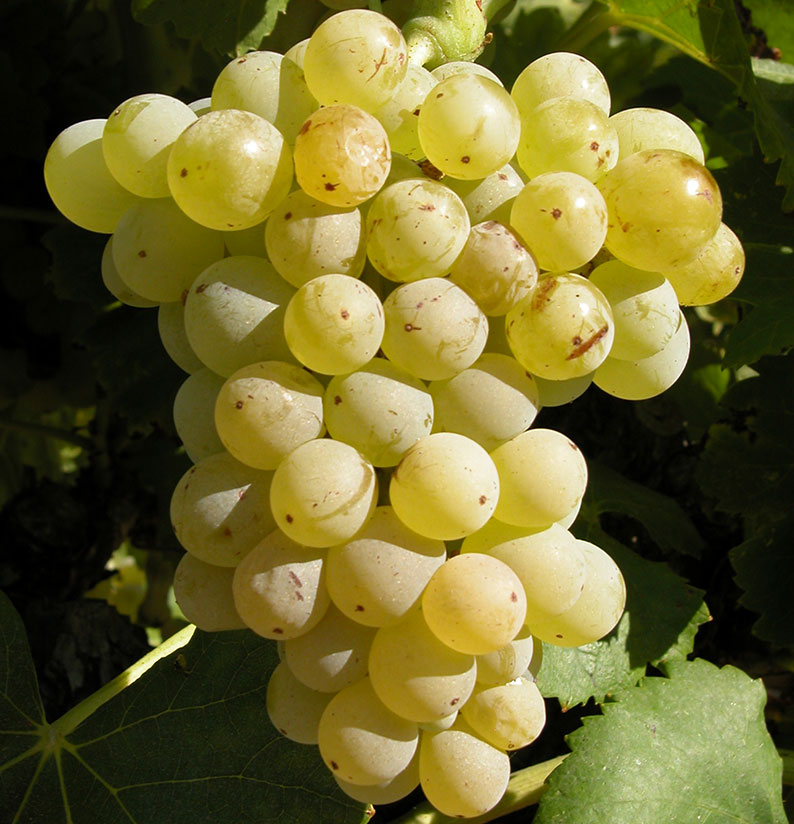
white
The White Grenache : Fullness and lenght.
Grenache Blanc, close to Grenache Noir, stands out for its power and balanced lightness. Its delicate bouquet features narcissus, honeysuckle, anise, and fennel, offering elegance and freshness.
On the palate, it produces full-bodied, round, and long wines, where richness and finesse combine for a persistent and harmonious finish.
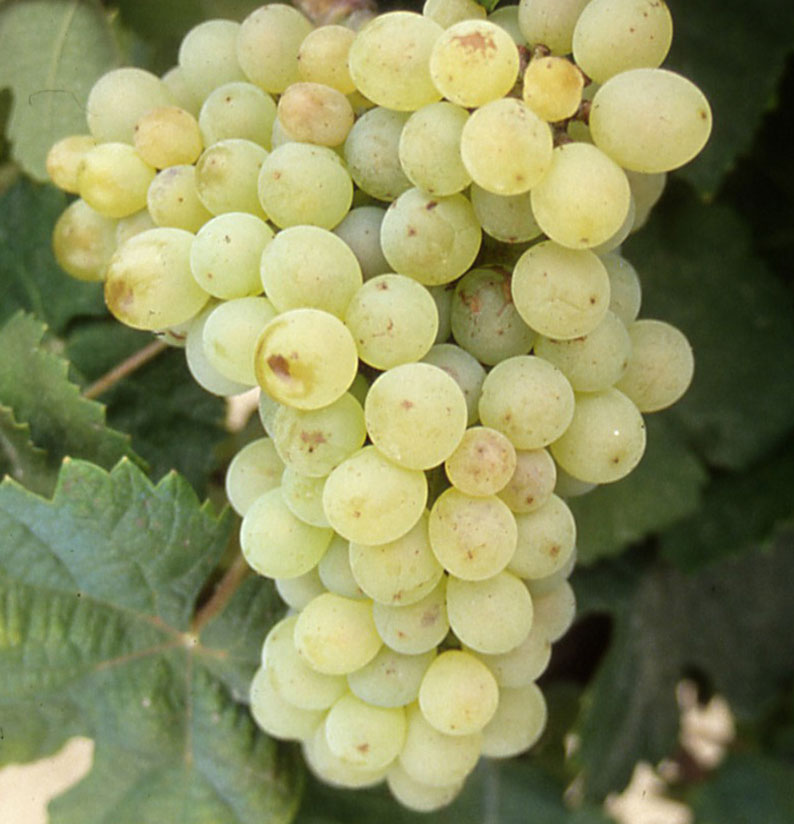
white
The Clairette : Flower and freshness.
Clairette, one of the oldest grape varieties of the South, brings freshness, lightness, and elegance to wines. Its delicate aromas combine apple, apricot, grapefruit, and tropical fruits with floral and herbal hints of fennel and linden, offering a bouquet that is both fruity, floral, and subtle.
On the palate, Clairette produces smooth and harmonious wines, where freshness and complexity blend perfectly. Its presence in blends enhances the structure of the wine, adds finesse and aromatic brightness, and contributes to creating refined, persistent wines that are enjoyable even in their youth.